
Yes, if you pick one channel and keep it up. No, if you post everywhere now and then. Most small businesses don’t fail at social media because they post the wrong thing. They fail because they stop. Here’s how to tell which side you’re on, what it can and can’t do for you, and what we’ve seen work.
What social media is good for
- Proof you’re active. People look you up before they call. A feed that stopped last year puts them off, even if your work is excellent.
- Showing the work. Finished jobs, before and afters, the details you’re proud of. It does the selling your website can’t do every week.
- Showing the people. People buy from people. A face and a voice build trust faster than any service list.
- Staying remembered. Most followers aren’t buying today. Regular posts keep you in mind for when they are.
What it’s bad at
- Quick results. Social media builds slowly. If you need enquiries this week, fix your website first.
- Replacing your website. You don’t own your followers, the platform does. Your feed should point people to your website, where they can actually get in touch.
- Fixing a weak brand. Posting more often won’t help if every post looks like a different business. It just shows the problem to more people.
What it looks like when it works
Three businesses we work with, in three very different sectors.
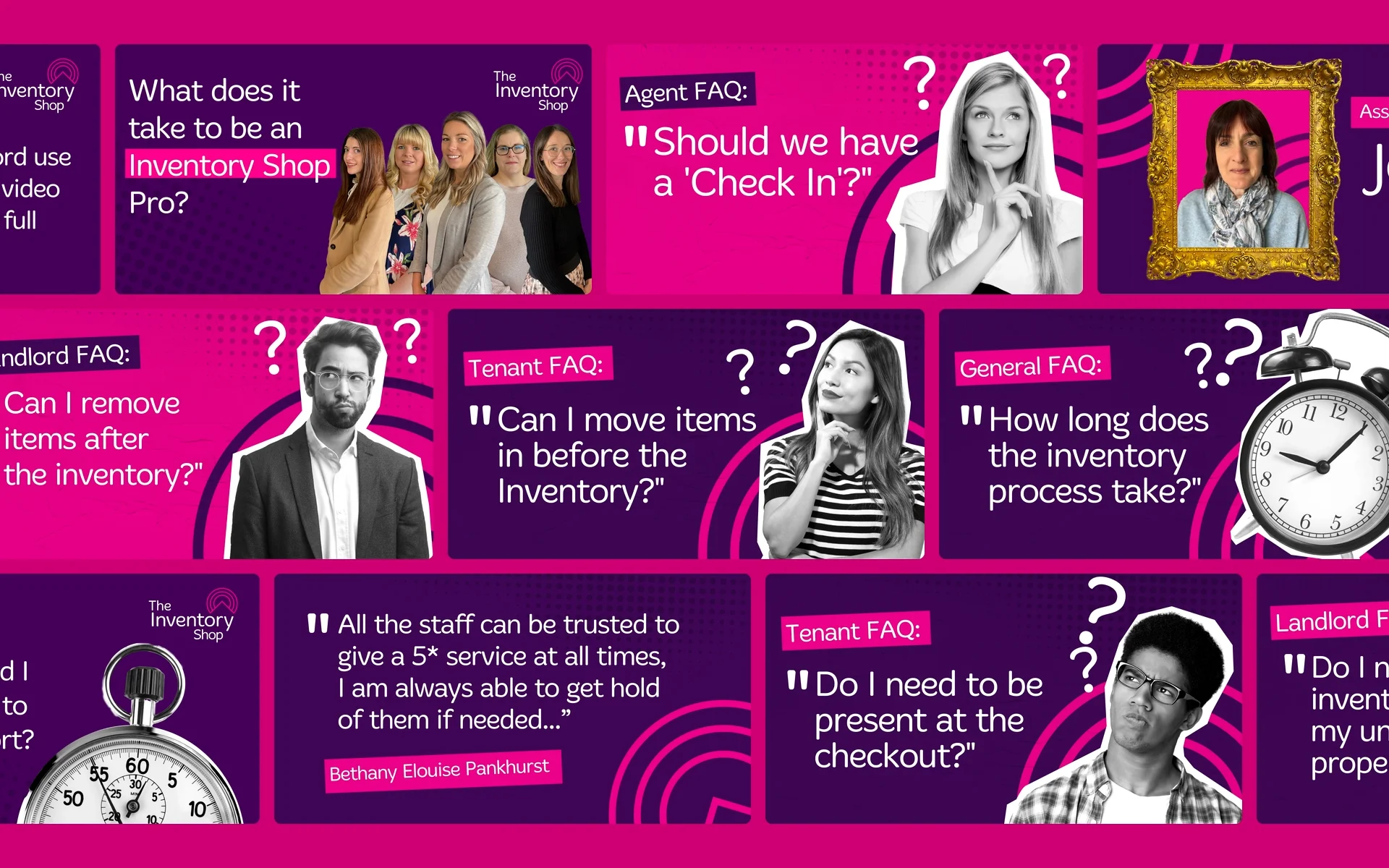
The Inventory Shop. The first thing the owner told us was that inventory isn’t exciting. So we built a brand with the same energy as the people behind it, and a feed of useful, balanced advice for both landlords and renters. That content led to new estate agent partnerships and a growing team. See the project.
DebtView. Debt recovery is a sober sector. A brighter, more approachable brand rolled out across their software and social media campaigns, and the response was so strong they paused marketing for months to keep up with the leads. See the project.
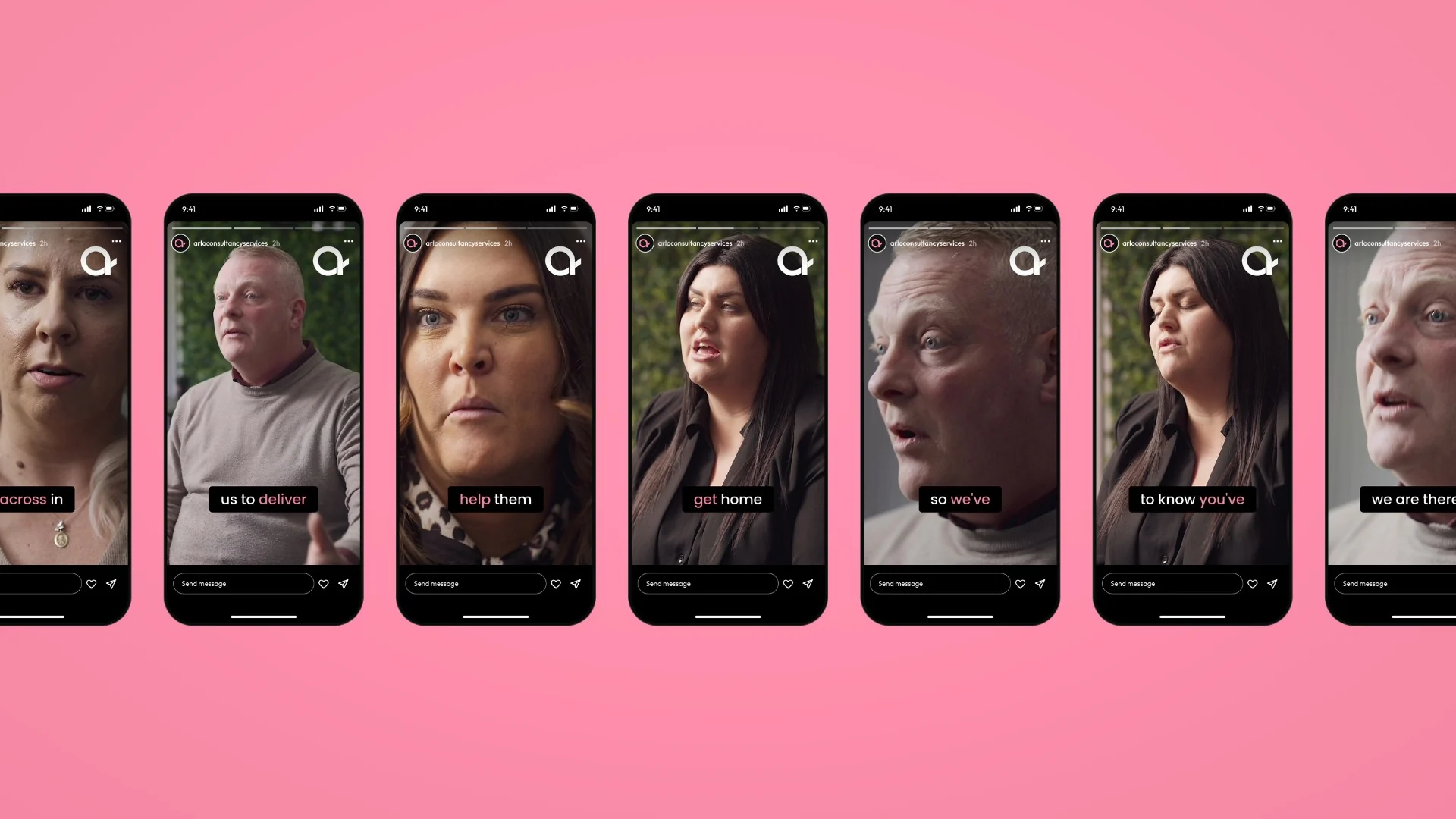
arlo consultancy services. Health and safety and HR could easily feel faceless. We filmed the team talking about what they do in their own words, then cut it into short stories with branded captions. So people can see who they’ll be dealing with before they pick up the phone. See the project.
None of them posted everywhere. Each had a clear look, something worth showing and a rhythm they kept up.
Pick one channel
- Your customers are other businesses: LinkedIn. Post as yourself as well as the company page. People engage with people.
- Your work is visual and your customers are local: Instagram or Facebook. Both are run from one place, so you can post to the two together.
- Your customers are under 30: it may be worth testing TikTok or Reels. If they aren’t, don’t chase it.
One channel done well beats four done badly. Add a second only once the first runs without you thinking about it.
Keep it consistent
- Same look every time. One logo, one set of colours and fonts. Templates make this quick and stop every post becoming a design job.
- A rhythm you can keep. Once a week, every week, beats five posts then silence.
- Plan a month at a time. An hour at the start of the month to write and schedule everything is far easier than thinking of something every Tuesday morning.
What to post when you’ve run out of ideas
- A finished job, with one line on what made it tricky.
- A before and after.
- A member of the team, and what they actually do.
- The question customers ask most, answered properly.
- A review, in the customer’s own words.
- Something behind the scenes: the van, the workshop, the site at 7am.
Six ideas is six weeks of posts. Work through them, then start again with new jobs.
How to tell if it’s working
Likes are nice, but they don’t pay the bills. Watch for these instead:
- Enquiries that mention it. “I saw your post about…” is the clearest sign there is. Ask new customers how they found you.
- Clicks to your website. Both Meta and LinkedIn show you how many people tapped through.
- Profile visits. A rise means people are checking you out, which usually comes before a call.
Give it three months before you judge it. Social media rewards the businesses that are still there after everyone else has given up.
Is it worth it for you?
Ask three questions:
- Do your customers use it?
- Do you have work worth showing?
- Can you keep it up, or pay someone to?
Three yeses: it’s worth your time. Fewer: put the time into your website first.
Posting works best when everything you post looks like one business. Test that with the 10-point brand check, and make sure the website your posts send people to is winning you work.
“Chris and the team at CJ Creates have really made a change to our business. We now have a solid, curated social media strategy and following, some superb sales & marketing collateral, great videos and even some wonderful photos of our lovely team.”
Jeremy Boyce★★★★★ Google review
Would you rather get on with the work? We run social media for businesses like yours. Get in touch and we’ll tell you whether it’s worth it for you.
How often should a small business post?
Once a week is plenty to start with. What matters is that you keep it up. Once a week for a year beats every day for a month.
Do I need to be on every platform?
No. Pick the one your customers use and do it properly. Add a second only when the first runs without you having to think about it.
Should I pay for ads?
Not until your posts and your website are working on their own. Ads put more people in front of what you have, so make sure it is worth seeing first.
Free mini brand audit
Does your feed look like one business?
Tell us about your business in five minutes. We’ll send back your brand score, how you compare with a competitor and the three changes that would make the biggest difference.
Get my free mini auditOr take the 10-point brand check first, see how we run social media, or look through our work.