Ask three studios to quote for a five page website and you can get three very different numbers. It’s tempting to think one of them is cheap and one of them is taking the mick. Usually neither is true. They’re quoting for different things, and the difference only shows up months later, when the site either brings in work or quietly sits there. So rather than ask what a website costs, it’s worth asking what you’re actually paying for.
Five pages, and what goes into them
Most small business websites come down to about five pages: Home, About, Services, Work and Contact. That’s why we price ours as a fixed five page site. You get a clear number up front, and the project stays focused. But the page count is only the container. Two five page sites can look the same on a quote and do completely different jobs for the business. What you’re really paying for is what goes inside them: the time spent understanding your business, the decisions about what goes where (and what to leave out), and a build that keeps working long after launch day.
Most of that time goes into five places.
1. Working out what the site is for
Before anything is designed, someone has to answer some unglamorous questions. Who is this site for? What do they need to know before they pick up the phone? Which services make you the most money, and are they the ones people can find? A good studio spends real time here, because every decision after it depends on getting this right. A cheap quote usually skips it and goes straight to a template.
2. Design that belongs to you
There’s nothing wrong with starting from a proven layout. We do it ourselves, because it keeps projects quick and costs sensible. The cost isn’t the layout, it’s making it yours: your brand, your photography, your tone, the order your customers think in. A site can be built on a template and still feel bespoke. Or it can be a template with your logo dropped in the corner, and customers can tell the difference even if they couldn’t tell you why.
3. The words and pictures
This is the part almost everyone underestimates. Content is the single biggest reason website projects run late, and the biggest reason finished sites underperform. Who writes the copy? Are there real photos of your team and your work, or will it be stock? Does each service have enough to say to earn its own page? If a quote doesn’t mention content, ask, because someone is going to have to do it and it’s often you.
4. The build, and everything you can’t see
Making a site look right on a big screen is the easy part. Making it fast on a phone over a weak signal, readable for someone with poor eyesight, secure, and easy for you to update is where the hours go. Then there’s anything that connects to something else: bookings, a shop, a quote builder, a client login, a link into your CRM. Each one is its own small project.
5. Being found
A new website should give your search visibility a head start, not a setback. That means proper page titles and descriptions, sensible structure, images that don’t slow everything down, and Google Search Console set up so you can see what’s happening. If you’re replacing an old site, it also means redirecting every old page to its new home. Skip that step and you can lose rankings you’ve spent years building, overnight.
What a cheaper quote often leaves out
When two quotes are far apart, the gap is usually made of things you won’t notice until later. It’s worth checking whether these are included before you decide.
- Redirects from your old site. Without them, links from Google, old emails and other websites lead to an error page.
- Speed. Uncompressed images and a heavy page builder can make a lovely design slow on mobile, and most of your visitors are on mobile.
- Ownership. Some platforms rent you the site. If you leave, it stays behind. Make sure the domain, the site and the content are yours.
- Training. If you can’t change your own opening hours without paying someone, the site will go out of date quickly.
- Analytics and Search Console. If nothing is measured, you can’t tell whether the site is working.
- What happens after launch. Updates, backups and security don’t stop when the site goes live.
A website isn’t a one-off
It helps to think of a website the way you’d think of a van. There’s the cost of getting it on the road, and then there’s keeping it running. Hosting, security updates, backups and the domain name all carry on after launch. None of them are exciting, and all of them matter the day something goes wrong. A good quote tells you about them up front rather than leaving them as a surprise.
How to compare two quotes fairly
You don’t need to understand the technical side to compare quotes properly. You just need to ask the same questions of each one.
- Who owns the domain, the site and the content when it’s finished?
- What happens to the pages on my current site?
- Who is writing the words, and who is sourcing the photos?
- How many rounds of changes are included?
- Will I be able to update it myself, and will you show me how?
- How quickly does a page load on a phone?
- What’s included after launch, and what costs extra?
If a studio can answer all of those clearly, you’re in good hands, whatever the number at the bottom.
Think about what it’s worth, not what it costs
The more useful question is what one extra enquiry a month is worth to your business. A website is an investment, and for most businesses, one or two new clients could be enough to pay it back. A site that looks the part, loads quickly and makes it obvious what to do next isn’t a cost line. It’s the hardest-working member of your sales team, and it works weekends.
That’s also why a cheap website can turn out to be the expensive option. If it doesn’t bring in work, every pound spent on it was wasted, and you’ll be paying for another one sooner than you think.
How we approach it
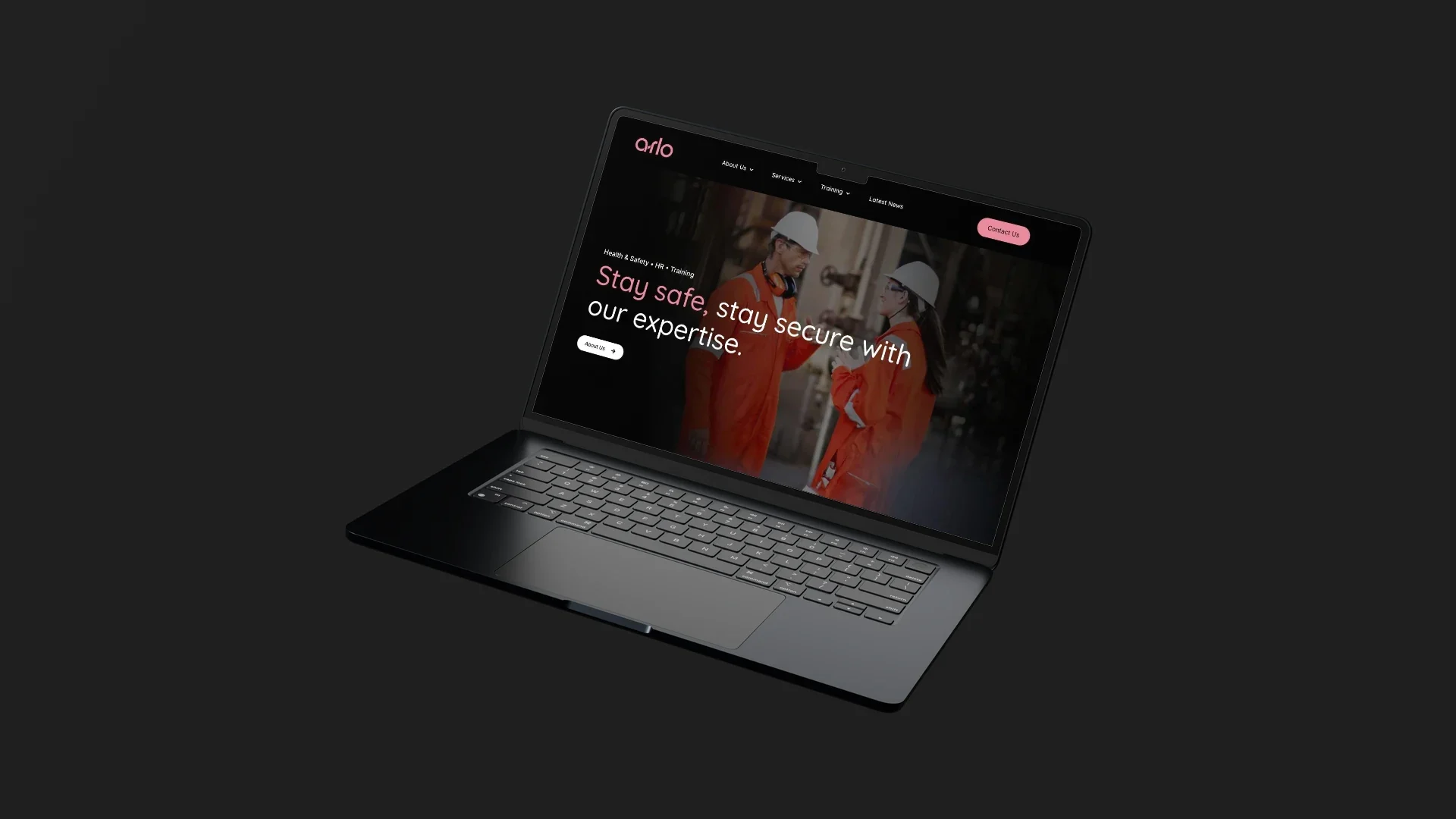
We design and build in WordPress, so the site is yours, you can update it yourself, and you’re never locked in. Most of our sites start from a five page structure, usually Home, About, Services, Work and Contact, which keeps projects focused and prices fixed. Every site gets proper on page SEO, redirects from the old site, and a handover so your team knows how to run it. You can see some of the results in our work, including the new site for arlo consultancy services, or read more about how we approach web design in Colchester.
FAQs
How long does a new website take?
It depends far more on content than on design. Once the words and photos are ready, a five page site comes together quickly. Waiting for content is the most common reason projects slow down, so it pays to start on it early.
Should I build it myself on a website builder?
If you have the time and an eye for design, it can work for a very small business. The catch is that the hours add up, and it’s easy to end up with something that looks fine but doesn’t bring in enquiries. Your time is usually better spent running the business.
Do I need a new website or just a refresh?
If the structure works and people can find what they need, a refresh of the design and content may be enough. If the site is slow, hard to update or no longer matches what you do, a rebuild is usually the better investment.
Free website check
Is your website doing its job?
Send us your web address. We’ll check how fast it loads on a phone, how it works on mobile and where you show up on Google, and send you the results within three working days, including the three changes that would make the biggest difference. If you’d like us to make them, we’ll tell you what it would cost.
Get my free website checkOr run through our seven website checks, see how we approach web design in Colchester, or look through our work.